Education
Virtual sessions, in-person training and on-demand learning
Live learning
Specialities
Clinical resources organized by practice area
Events
Conferences, workshops, and networking opportunities

July 17, 2025
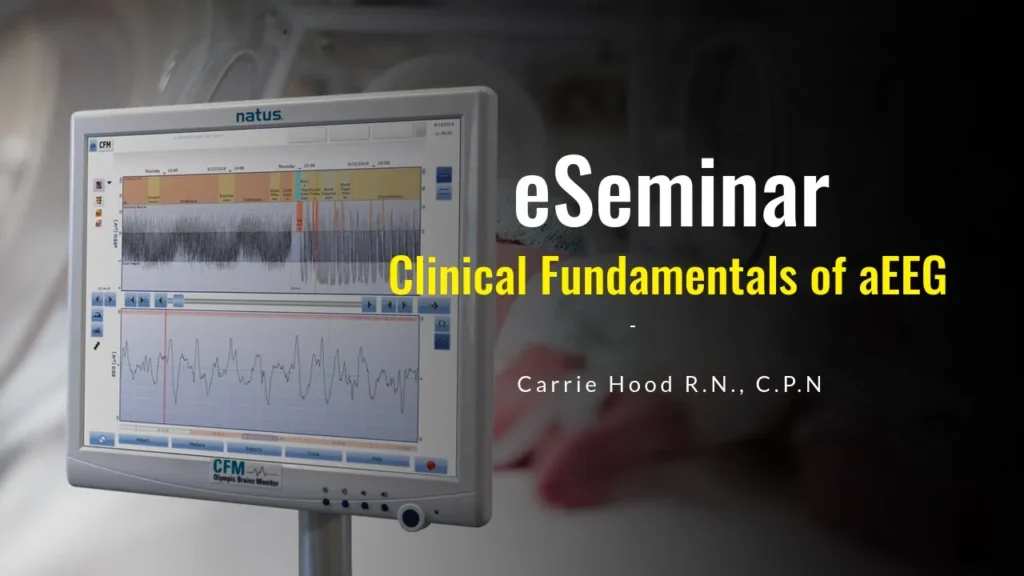
aEEG has become a standard bedside tool in many hospitals for monitoring the brains of infants with HIE undergoing therapeutic hypothermia and many other neurologic conditions, especially where seizures are suspected.
Successful trace interpretation is crucial to aEEG success. Similar to an EKG monitor that displays the electrical contractility of the heart, aEEG produces traces mapping the electrical impulses of the brain. Interpretation is based on specific pattern criteria including the upper/lower margins, presence or absence of sleep wake cycles, and presence or absence of seizure activity.
LEARNING OBJECTIVES